15+Years Experience
50+Countries
Best Price
Guarantee
Guarantee
250k+Websites
in our portfolio
in our portfolio
15+Years Experience
50+Countries
Best PriceGuarantee
250k+Websites
in our portfolio
in our portfolio


SEO
SEO (Search Engine Optimisation) is the practice of optimising websites to improve their visibility and ranking in organic (non-paid) search engine results. SEO covers a range of strategies and techniques designed to make websites more attractive to search engines such as Google and Bing, and increasingly to AI answer engines like ChatGPT and Perplexity.
Why SEO Matters for B2B Growth
SEO is no longer a niche tactic. It is the primary channel for sustainable, qualified traffic and a foundation for AI-driven discovery (GEO). Companies that invest early build a compounding asset that paid media cannot replicate.
The Four Core Pillars of SEO
- Technical SEO: Ensuring search engines can crawl and index your site properly. This includes site speed, mobile usability and a clean URL structure.
- On-page SEO: Optimising individual pages through content, keywords, meta tags, headings and internal linking.
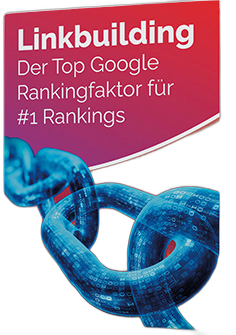
- Off-page SEO: Building authority through backlinks, social signals and brand mentions. A strong backlink profile is essential.
- Content: Creating valuable, relevant content that satisfies user intent and earns natural links.
The Key Benefits of a Strong SEO Strategy
A well-executed SEO programme delivers measurable returns across multiple business dimensions, not just traffic numbers.
- Organic traffic: SEO drives free, sustainable traffic to your website over the long term.
- Credibility: High rankings signal trustworthiness to users and decision-makers.
- ROI: SEO often delivers a better long-term return than paid advertising.
- User experience: Sound SEO practices typically improve the overall user experience.
How SEO Connects to GEO and AI Search
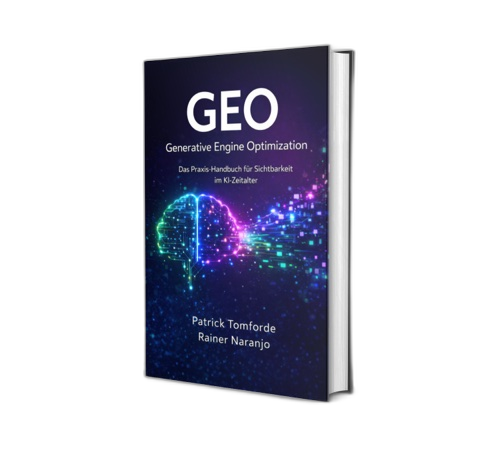
Modern SEO extends into GEO (Generative Engine Optimisation). The same fundamentals, structured content, clear entities and authoritative backlinks, also determine whether AI tools cite your brand in their answers.
Why Backlinks Remain Decisive
Despite ongoing algorithm changes, backlink building remains one of the most important and challenging aspects of SEO. Authority signals from relevant, high-quality domains continue to correlate strongly with top ranking positions in competitive B2B niches.
Frequently Asked Questions
What is SEO and why is it important?
SEO stands for Search Engine Optimisation and is critical for website visibility.
SEO aims to improve ranking in organic search engine results. Because it targets non-paid results, it is a cost-efficient way to drive more qualified visitors to your website over time.
Consider how SEO can strengthen your online presence by increasing visibility in your target market.
How does the SEO process actually work?
The SEO process covers content optimisation and the technical foundations of a website.
By improving visibility in organic search results, SEO attracts more qualified visitors. This includes keyword optimisation, meta tag refinement and structural improvements to the site.
Start with thorough keyword research to build a data-driven SEO strategy.
What is the difference between paid and organic search results?
Organic results are non-paid, while paid results are generated through ads.
SEO focuses on improving ranking in organic search results, which is more cost-efficient in the long run. Paid results appear instantly but require continuous investment to maintain visibility.
Consider how a combination of SEO and paid media can complement your overall marketing strategy.
What problems can SEO solve for my website?
SEO can improve your website visibility and ranking in search engines.
By optimising for organic search results, SEO helps generate more traffic and improve user experience. This is especially important for staying visible in a competitive B2B market.
Analyse your current website performance to identify untapped SEO potential.
Is SEO a cost-efficient marketing strategy?
Yes, SEO is highly cost-efficient because it targets non-paid search results.
Unlike paid advertising, which requires continuous spend, SEO can deliver long-term benefits from one-time optimisations. It improves ranking in organic search engine results and increases visibility without recurring media costs.
Consider investing in SEO to secure long-term, compounding marketing advantages.
Last updated: 16. May 2026


 info@performanceliebe.de
 Phone:
  Mobile: